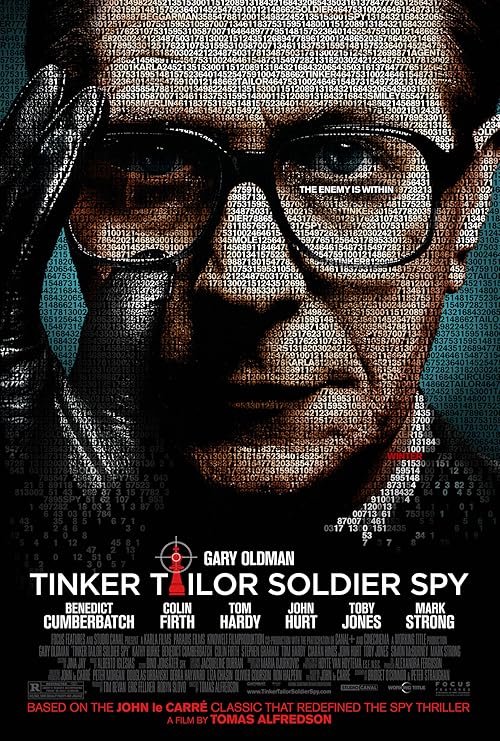
Introduction
Tinker Tailor Soldier Spy (2011) is an atmospheric, slow‑burn espionage thriller that rewards patient viewers with a richly layered experience. Rather than relying on explosive action, the film delves into the quiet tension, paranoia, and psychological weight of Cold War intelligence work. This spoiler‑free review explores what makes the movie such a compelling piece of cinema.
Atmosphere and Tone
One of the film’s greatest strengths is its immersive atmosphere. From muted color palettes to meticulously crafted set designs, every frame feels steeped in the secretive world of espionage. The pacing is deliberate, reinforcing the sense of unease and mistrust that defines the narrative. This mood‑driven approach may feel unconventional for viewers expecting a fast‑paced spy film, but it enhances the story’s authenticity and emotional depth.
Performances and Characters
The cast delivers nuanced, grounded performances that elevate the film’s complex storyline. The protagonist, portrayed with subtle intensity, anchors the narrative with quiet determination. Supporting characters are equally compelling, each conveying a sense of hidden history and internal conflict. The interplay among these characters is crucial to the film’s intrigue, as the story thrives on subtle gestures, guarded conversations, and unspoken motives. Without revealing specific plot points, it’s safe to say that the film’s ensemble is one of its standout features.
Direction and Storytelling Style
The direction embraces a meticulous, detail‑oriented style that mirrors the investigative nature of the plot. The story unfolds through layered scenes that demand attention, resulting in a viewing experience that feels like piecing together a complex puzzle. This method encourages audience engagement, inviting viewers to become active participants in the narrative. While the storytelling is intricate, it never feels inaccessible; instead, it offers a richly rewarding experience for those who appreciate thoughtful cinema.
Cinematography and Sound Design
Visually, the film is striking in its restraint. Shadows, reflections, and careful framing contribute to the overarching theme of secrecy. The cinematography enhances the sense of tension without relying on overly dramatic visuals. Paired with a subtle yet effective score, the film’s technical elements create a cohesive and compelling sensory experience that heightens its emotional impact.
Who Will Enjoy This Film?
Fans of intelligent, character‑driven thrillers will find much to appreciate here. The film caters to viewers who enjoy deciphering clues, analyzing character dynamics, and immersing themselves in atmospheric storytelling. Those seeking high‑octane action may find the pacing slower than expected, but for many, this deliberate style is exactly what makes the film so captivating.
Exploring Audience
The movie resonates strongly with audiences who appreciate sophisticated espionage narratives, subtle performances, and cinematic craftsmanship. It especially appeals to viewers who enjoy films that challenge them to think critically and engage deeply with the story’s layers.