
Overview
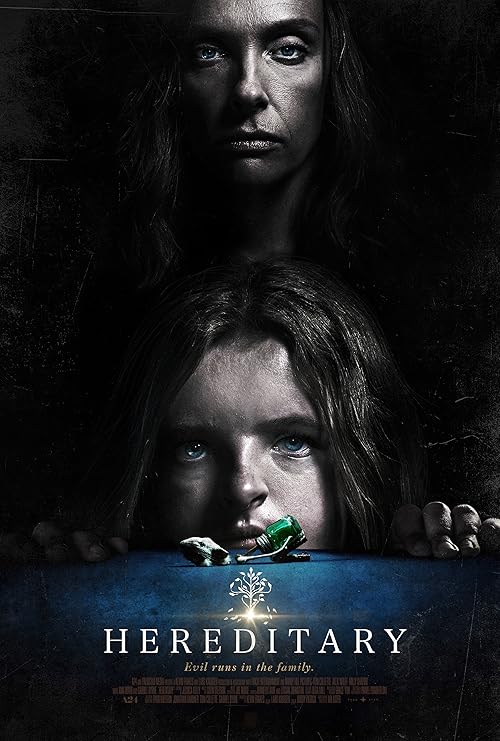
Hereditary (2018) stands as one of the most unsettling psychological horror films of the modern era, delivering a slow‑building sense of dread that lingers long after the credits roll. The film masterfully blends atmospheric tension, emotional depth, and chilling storytelling to create an experience that resonates with fans of elevated horror. Without revealing any plot details, this review focuses on the film’s tone, craftsmanship, and overall impact.
Atmosphere and Tone
One of the film’s greatest strengths is its suffocating atmosphere. From the very beginning, Hereditary crafts an environment thick with unease. The pacing is deliberate, allowing tension to build in small, meticulous increments. Every scene feels purposeful, contributing to a rising sense of discomfort that keeps viewers alert. The cinematography uses shadows, stillness, and lingering shots to evoke fear without relying on traditional jump scares, making the horror feel more grounded and psychological.
Performances
The cast delivers emotionally powerful performances, enhancing the film’s intensity. Each character feels fully realized, and the actors capture the raw vulnerability that makes the story so emotionally gripping. The emotional turmoil portrayed throughout the film adds layers of authenticity and reinforces the sense that something deeply unsettling is unfolding beneath the surface. The performances anchor the film, making every moment feel physically and emotionally impactful.
Direction and Style
Director Ari Aster showcases a remarkable command of mood, structure, and pacing. His attention to detail elevates the narrative, infusing even mundane moments with underlying tension. The film’s visual style is carefully crafted, using framing and perspective to enhance the psychological impact. This meticulous direction ensures that viewers remain fully invested, constantly searching for meaning in the unsettling imagery and subtle cues scattered throughout the film.
Sound and Score
The sound design plays a crucial role in shaping the emotional experience. The score builds slowly, weaving itself into the quieter moments and escalating as tension rises. Unsettling sound cues heighten the impact of key scenes without overwhelming the viewer. The understated use of sound allows the film’s emotional weight to shine through while still maintaining a haunting presence.
Overall Impression
Hereditary stands out as a powerful exploration of grief, family dynamics, and psychological unraveling. Its unique blend of emotional depth and atmospheric horror sets it apart from typical genre entries. Rather than relying on standard scare tactics, the film creates a lingering unease that remains long after viewing. For fans of slow‑burn horror that prioritizes mood and storytelling, Hereditary offers an unforgettable and deeply haunting experience.
Exploring Audience
The film appeals strongly to viewers who appreciate cerebral horror and atmospheric storytelling. Its psychological layers and emotional intensity resonate with audiences seeking a sophisticated and unsettling cinematic journey.