
Introduction
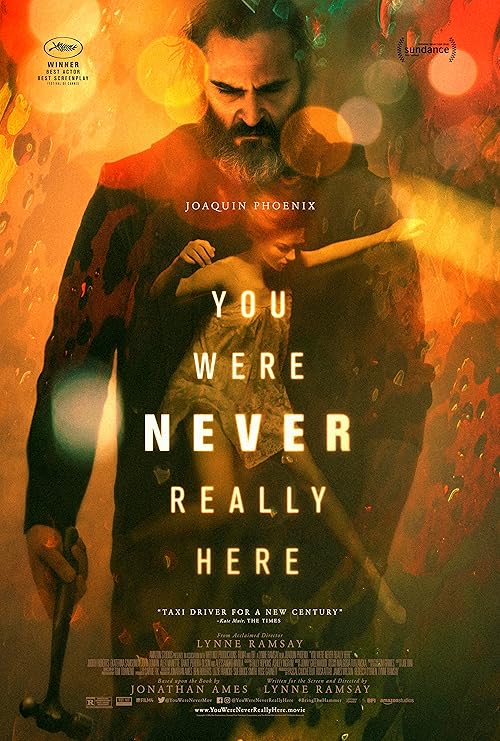
You Were Never Really Here (2018) is a gripping psychological thriller that blends emotional depth with raw intensity. Without revealing any spoilers, this review explores the film’s atmosphere, performances, and thematic weight. Directed by Lynne Ramsay, the movie stands out for its haunting storytelling and masterful command of visual and emotional tension. Viewers seeking a character-driven thriller with an unconventional approach will find this film especially compelling.
Atmosphere and Tone
The movie is built around a dark, moody, and immersive atmosphere that pulls audiences directly into the protagonist’s fractured world. The tone is consistently tense and foreboding, but instead of relying on excessive action, the film uses silence, minimalism, and fragmented imagery to build its sense of unease. Its pacing is deliberate yet engaging, offering a unique viewing experience that rewards attention to detail. This is not a standard thriller; it is an atmospheric deep dive into trauma and resilience.
Performance and Character Depth
One of the strongest elements of the film is the central performance by Joaquin Phoenix. His portrayal is both restrained and explosive, revealing a character who speaks volumes through expression and presence alone. The emotional and psychological weight he carries is evident in every scene. Although the supporting cast plays smaller roles, their performances enhance the protagonist’s journey and reinforce the film’s emotional impact.
Direction and Style
Lynne Ramsay’s direction is bold and distinctive. The storytelling style leans heavily on visual and auditory cues rather than exposition, allowing the audience to experience the narrative through the protagonist’s fractured perspective. Ramsay’s approach creates a film that feels both intimate and unsettling. The cinematography uses shadows, reflections, and close-up shots to build tension, while the score by Jonny Greenwood enhances the film’s emotional texture with its haunting yet compelling soundscapes.
Theme and Impact
The film explores themes of trauma, redemption, and survival in a way that feels both grounded and poetic. Without delving into plot details, it can be noted that the narrative focuses on inner turmoil as much as external conflict. The emotional intensity stays with the viewer long after the film ends, making it a standout for audiences who appreciate psychological complexity. Its understated yet powerful storytelling ensures a lasting impression.
Exploring Audience
This film is best suited for viewers who enjoy psychological thrillers with an artistic edge. It appeals to audiences who appreciate character-driven narratives, atmospheric tension, and emotionally layered performances. While it may not satisfy those seeking fast-paced action, it will resonate deeply with viewers seeking a thoughtful, immersive, and emotionally gripping experience.