Introduction
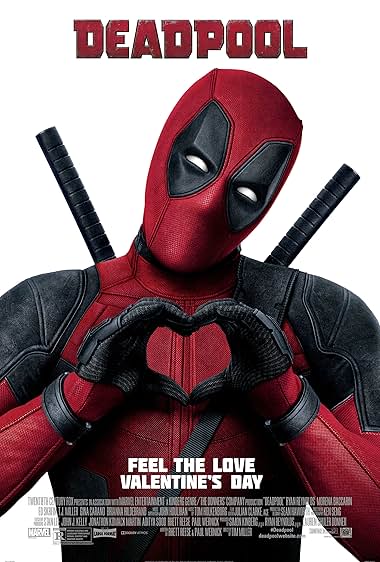
Deadpool (2016), directed by Tim Miller and starring Ryan Reynolds as the titular character, has redefined the superhero movie landscape with its blend of humor, action, and an unconventional protagonist. Adapted from the Marvel comics, Deadpool is not your typical superhero film—it’s a riotous comedy that breaks all the traditional rules and brings something entirely fresh to the genre.
Plot and Character Development
Deadpool’s storyline is straightforward yet engaging. Unlike traditional superhero stories, this film doesn’t focus on saving the world. Instead, it’s a personal revenge tale where Wade Wilson, a former special forces operative turned mercenary, transforms into Deadpool after undergoing a rogue experiment. His primary motive is to hunt down Ajax, the villain who disfigured him. The plot is simple but effective, driven by Deadpool’s unique personality.
Ryan Reynolds shines as Wade Wilson, bringing charm and wit to the character. His portrayal of Deadpool is spot-on, capturing the character’s essence—a relentless talker with a penchant for breaking the fourth wall, adding a layer of self-awareness and humor to the film. The supporting cast, including Morena Baccarin as Vanessa and Ed Skrein as Ajax, provides depth to the story, making it more than just a series of gags.
Visuals and Action Sequences
Deadpool is a visual treat with its R-rated action sequences, which are both stylish and intensely choreographed. The film’s cinematography and visual effects complement its fast-paced narrative, making every fight scene both exhilarating and entertaining. Despite its relatively modest budget for a superhero movie, Deadpool doesn’t skimp on quality, delivering eye-catching visuals and creative action sequences.
Humor and Tone
The humor in Deadpool is a standout feature, driven by its lead character’s personality. The film constantly swings between irreverent humor and heartfelt moments, maintaining a perfect balance. Its self-referential style, where it pokes fun at superhero movie tropes and even its own lead actor, resonates well with audiences looking for something different. The film’s tongue-in-cheek approach and meta-humor set it apart from other entries in the superhero genre.
Cultural Impact and Legacy
Upon its release, Deadpool made a significant cultural impact, challenging the traditional norms of superhero films. It has inspired a slew of R-rated superhero films and opened up new avenues for storytelling in the genre. Its success, both critically and commercially, is a testament to audiences’ appetite for refreshing takes on familiar stories.
Exploring Audience Reactions
Deadpool garnered a diverse audience, appealing to both comic book enthusiasts and those seeking unconventional cinematic experiences. The film’s humor, coupled with its action-packed sequences, captivated viewers who were tired of formulaic superhero offerings. It connected with fans on a personal level through its authentic representation of its comic book roots while inviting new fans to enjoy the ride. The audience reception was overwhelmingly positive, and the film has since maintained a loyal fanbase, eagerly awaiting subsequent installments.