Introduction
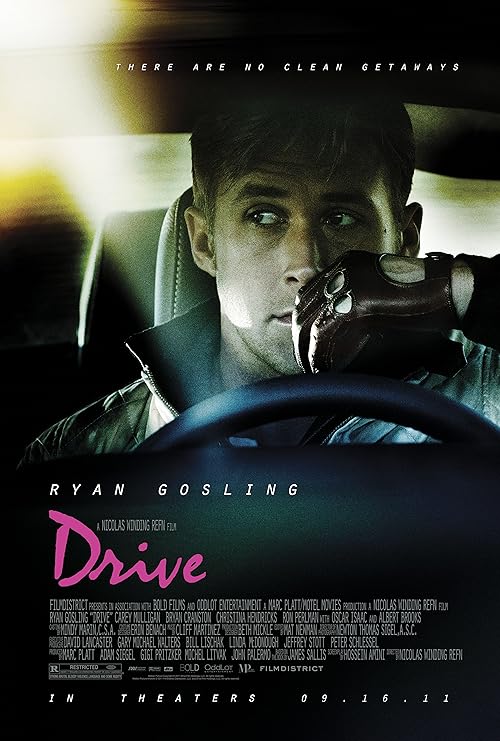
Drive (2011) stands out as a stylish, atmospheric action‑crime film that blends minimalist storytelling with unforgettable visual and sonic flair. This review offers a no‑spoiler look at what makes the film such a cult favorite while helping viewers understand whether its tone and pacing align with their preferences.
Visual Style and Direction
One of the strongest elements of Drive is its striking visual identity. The film uses calculated lighting, bold color palettes, and long quiet moments to build tension. Every frame feels intentional, contributing to an immersive cinematic atmosphere. The direction embraces stillness just as much as action, creating a unique rhythm that sets it apart from conventional action movies.
Performances and Character Presence
The cast delivers powerful, understated performances that amplify the film’s emotional depth. The lead embodies a sense of internal conflict and quiet intensity, making his presence magnetic even in moments of silence. The supporting characters add nuance and humanity to the story, grounding the film’s stylishness with genuine emotional stakes. While the film’s dialogue is intentionally sparse, every line matters, and the performances communicate far more through expression and pacing than through words alone.
Music and Atmosphere
The soundtrack plays a crucial role in defining the mood of Drive. Its blend of synth‑driven tracks and atmospheric scoring enhances the film’s dreamlike quality. The music doesn’t just accompany scenes—it elevates them, creating a memorable aesthetic that lingers long after the film ends. This fusion of audio and visuals makes Drive not only a movie but an experience.
Storytelling and Tone
Drive is intentionally minimalist in its storytelling, focusing more on mood, character, and visual symbolism than heavy exposition. The narrative unfolds gradually, offering just enough detail to keep audiences engaged while allowing space for interpretation. The pacing leans slow‑burn, but the payoff comes in the form of intense, carefully executed sequences that contrast sharply with the quieter moments.
Who Will Enjoy Drive?
Viewers who appreciate visually expressive filmmaking, emotional subtlety, and stylish aesthetics will likely find Drive captivating. Fans of neo‑noir, atmospheric thrillers, and character‑driven stories may find its tone especially appealing. Those seeking constant action, heavy dialogue, or traditional blockbuster pacing should be aware that Drive takes a more artistic, contemplative approach.
Exploring Audience
Drive resonates strongly with audiences who enjoy films that prioritize mood and character over plot complexity. It’s particularly appealing to viewers who value cinematography, innovative sound design, and emotional storytelling through visuals. Its devoted fan base often consists of film enthusiasts, neo‑noir lovers, and those drawn to atmospheric, genre‑bending cinema.