
Introduction
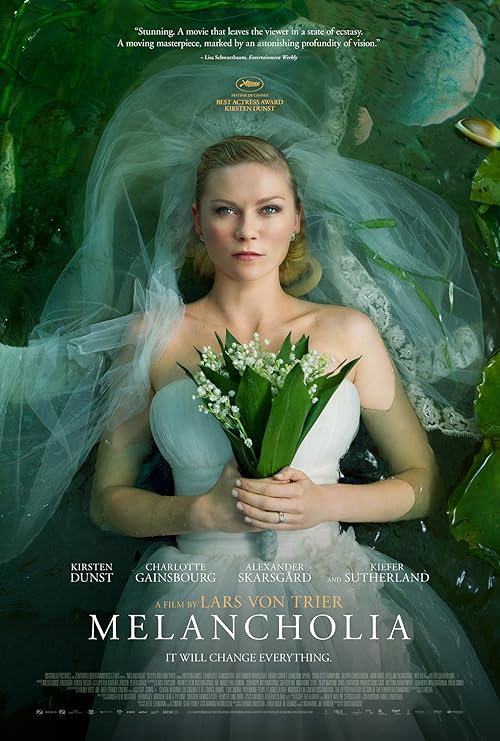
“Melancholia” (2011), directed by Lars von Trier, is a visually breathtaking and emotionally rich psychological drama that explores themes of anxiety, depression, and human fragility. Without revealing any spoilers, this review reflects on the film’s atmosphere, tone, and artistic expression, offering insight into why it continues to captivate audiences more than a decade after its release.
Visual Style and Cinematic Impact
One of the most striking elements of the film is its extraordinary visual language. Every frame feels like a meticulously crafted painting, blending haunting beauty with heavy emotional undertones. The film uses slow-motion sequences, symbolic imagery, and a rich color palette to build an immersive world that mirrors the inner turmoil of its characters. The cinematography is not just stunning, it elevates the film’s deeper themes and leaves a lingering emotional resonance.
Performances and Emotional Depth
The performances in this film are nothing short of extraordinary. The actors deliver deeply human portrayals of vulnerability and strength, allowing viewers to connect with the characters on an intimate level. The emotional layers are unveiled gradually and authentically, creating a powerful sense of realism. The film manages to explore complex psychological states while still maintaining relatability, ensuring the viewer becomes deeply invested in the journey.
Atmosphere and Tone
The film’s tone is contemplative, moody, and at times haunting. It is not a fast-paced narrative, but rather a slow, reflective experience that encourages viewers to sit with their thoughts. The atmosphere balances beauty and melancholy, creating a sense of tension that builds steadily throughout the film. This emotional weight is one of the defining elements of the movie’s lasting appeal.
Thematic Exploration
Without giving away plot details, it can be said that the film’s themes revolve around emotional resilience, existential fear, and the impact of psychological states on personal relationships. The movie invites viewers to reflect on the nature of existence and the emotional forces that shape human behavior. Its philosophical undercurrents are subtle yet impactful, leaving audiences with much to contemplate long after the credits roll.
Why It Stands Out
What sets this film apart from others in its genre is its delicate balance between emotional intensity and artistic beauty. It is a film that does not rely on traditional storytelling techniques, instead choosing to communicate its message through visuals, sound, and mood. The result is a cinematic experience that feels both intimate and grand, deeply personal yet universally relatable.
Exploring Audience Reactions
This film attracts viewers who appreciate emotionally driven cinema and artistic storytelling. It resonates particularly with those who enjoy films that explore psychological depth and existential themes. While its somber tone may not appeal to everyone, audiences who seek a meaningful and thought-provoking experience often find it unforgettable.