Introduction
Baz Luhrmann’s 2013 adaptation of *The Great Gatsby* delivers a vibrant and emotionally charged cinematic experience that captures the glamour, extravagance, and underlying melancholy of the Roaring Twenties. This review explores the film’s artistic strengths, performances, and themes without revealing any plot details, making it ideal for those who have not yet experienced the movie.
Visual Style and Direction
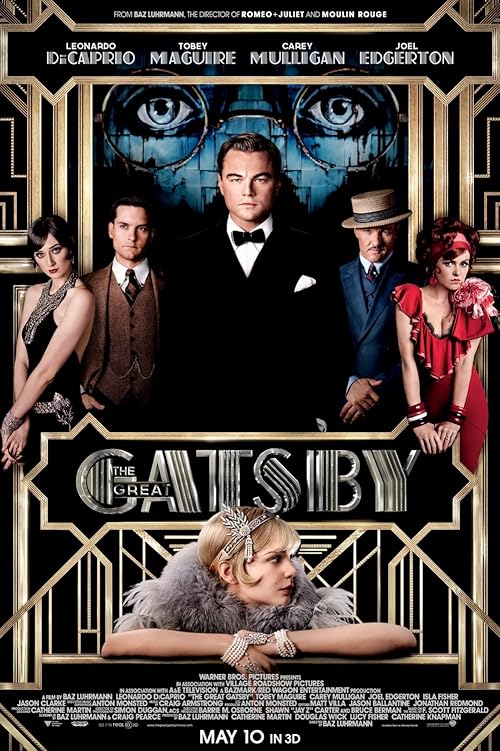
One of the most striking elements of this film is its bold visual style. Luhrmann infuses every scene with a sense of grandeur, using vivid colors, sweeping camera movements, and opulent set designs to bring F. Scott Fitzgerald’s world to life. The film’s integration of modern music within a historical context adds energy while maintaining emotional resonance. This stylistic approach may feel unconventional to some, but it undeniably gives the movie a unique identity.
Performances and Character Portrayals
The cast delivers standout performances that enhance the film’s emotional depth. Each actor fully embodies the complexities of their character, allowing viewers to connect with their motivations and struggles. The chemistry among the ensemble helps ground the extravagant visuals with authentic human emotion. These performances create a compelling atmosphere filled with longing, ambition, and desire, making the story feel timeless.
Themes and Emotional Impact
At its core, the film explores themes of aspiration, love, illusion, and the pursuit of identity. While staying faithful to the spirit of the original novel, it presents these themes in a way that resonates with modern audiences. The emotional weight is conveyed not through overt plot reveals, but through tone, aesthetic, and character interactions. As a result, viewers can appreciate the film’s deeper message without needing to know specific story events.
Cinematography and Production Design
The movie features exceptional cinematography that elevates its dramatic moments. From lavish party scenes to quiet, introspective moments, each frame is meticulously crafted. The production design reflects the opulence of the era, with detailed costumes, stunning architecture, and atmospheric lighting that immerses viewers in the 1920s setting. This attention to detail enhances both the authenticity and spectacle of the film.
Music and Atmosphere
The soundtrack, blending contemporary and classic influences, plays a significant role in shaping the film’s tone. Each musical choice supports the emotional landscape of the story, adding depth without overshadowing the narrative. This fusion of styles creates a memorable and engaging atmosphere that stands out among period films.
Audience Experience
Viewers who enjoy visually rich, emotionally driven films will find this adaptation particularly engaging. Its combination of heartfelt performances and stylistic boldness makes it appealing to both fans of the novel and newcomers. The film offers a blend of drama, romance, and spectacle that invites audiences to reflect on its timeless themes long after the credits roll.