Introduction
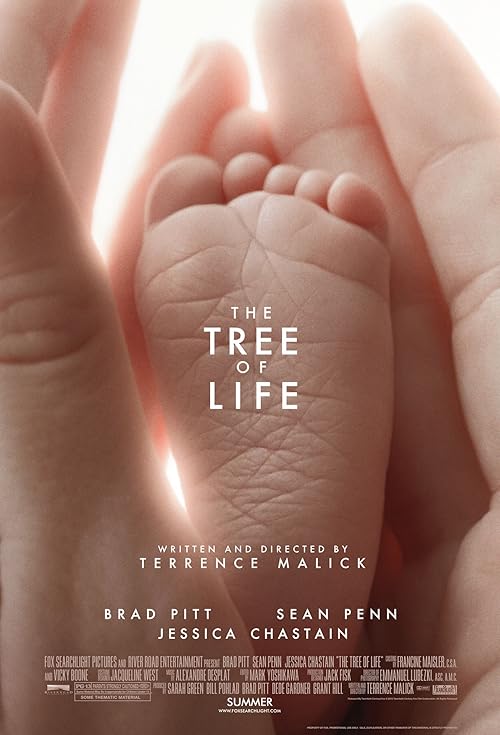
Terrence Malick’s 2011 film The Tree of Life stands as one of the most distinctive and visually poetic cinematic experiences of modern filmmaking. This no‑spoiler review explores the film’s atmosphere, thematic depth, and emotional resonance without revealing specific plot details. The movie is widely regarded for its immersive style, spiritual undertones, and introspective narrative. For viewers seeking a meditative film that prioritizes emotion and philosophy over straightforward storytelling, this title remains a captivating choice.
Cinematic Style and Visual Impact
The visual design of the film is one of its most defining elements. The cinematography embraces a naturalistic flow, using sweeping camera movements, rich lighting, and meticulously crafted imagery to evoke a sense of wonder. Each frame feels intentional, communicating feeling and meaning beyond what dialogue alone could express. The Tree of Life’s imagery presents a poetic interpretation of human experience, exploring the connection between nature, existence, and memory.
Emotional Tone and Atmosphere
The emotional atmosphere of the film is reflective, intimate, and at times profound. Rather than following a traditional narrative path, the movie approaches its themes through impressionistic moments that feel like memories. This style invites viewers into a contemplative space where emotions guide the experience. The pacing encourages reflection, making the film ideal for those who enjoy stories that unfold through tone and feeling rather than action.
Performance and Characters
The performances contribute significantly to the film’s grounded emotional core. Each actor brings a sense of authenticity, allowing the audience to connect with the characters on a deeper, more personal level. Without revealing any specific events, it can be said that the characters represent universal human experiences—growth, love, resilience, and internal conflict. Their interactions help shape the film’s thoughtful and introspective spirit.
Themes and Interpretations
The Tree of Life explores large‑scale themes such as existence, family, faith, and the search for meaning. The film leaves ample room for interpretation, encouraging viewers to bring their own experiences and emotions into the viewing process. This open‑ended approach adds to the film’s philosophical richness and invites discussion long after the credits roll. Its contemplative structure makes it appealing to those who appreciate cinema that challenges the viewer on an intellectual and emotional level.
Overall Impression
Overall, this film offers a deeply atmospheric and thought‑provoking journey. Its poetic visuals and layered themes create a unique cinematic experience that stays with the viewer. While its unconventional style may appeal more to those who enjoy reflective and artistic films, its emotional resonance makes it universally impactful. For anyone seeking a visually stunning and spiritually evocative film, this is a compelling choice.
Exploring Audience
The film is particularly suited for viewers who enjoy meditative storytelling, lyrical visuals, and philosophical themes. It resonates with audiences who appreciate artful cinema that invites introspection and rewards patient, thoughtful engagement.