Introduction
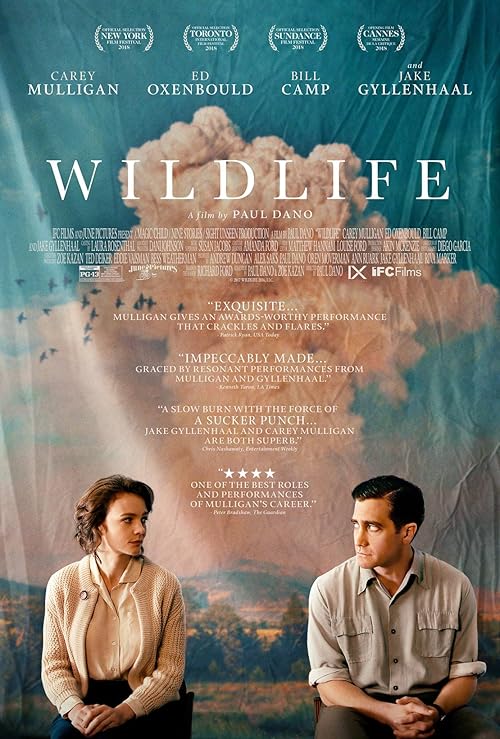
Sean Baker’s **Wildlife (2018)** delivers a quietly powerful coming-of-age drama that explores the emotional fractures within a family through the eyes of a teenage boy. Without revealing any spoilers, this review focuses on the film’s tone, performances, and thematic depth, offering insight into why the movie continues to resonate with audiences.
Story and Atmosphere
The film’s narrative is grounded, intimate, and deeply human. Set in 1960s Montana, the story captures the fragile dynamics of a small family facing emotional and economic uncertainty. What stands out most is the immersive atmosphere created through naturalistic cinematography and slow-burn storytelling. The movie allows scenes to breathe, often relying on silence and subtle gestures rather than dramatic confrontation. This style emphasizes authenticity and gives viewers space to reflect on the characters’ internal struggles.
Performances
The cast delivers exceptional performances that elevate the film’s emotional impact. Each character is portrayed with nuance and restraint, allowing the audience to feel their dilemmas and vulnerabilities. Rather than relying on melodrama, the actors bring a quiet tension that keeps the story engaging from beginning to end. Their portrayals contribute significantly to the film’s realistic tone, making the emotional journey all the more compelling.
Direction and Visual Style
What truly distinguishes Wildlife is its careful and deliberate direction. The visual palette mirrors the emotional landscape of the characters—expansive yet isolating, beautiful yet somber. Every frame feels thoughtfully composed, capturing subtle moments that reveal deeper truths about family dynamics and personal identity. The film’s pacing is patient, rewarding viewers who appreciate character-driven narratives.
Themes and Emotional Impact
At its core, the movie examines themes of growing up, coping with change, and witnessing the imperfections of the people we love. The emotional impact is understated yet profound, often lingering long after the film ends. Rather than offering easy answers, the story invites reflection, encouraging viewers to engage with the characters’ emotional journeys on a personal level.
Overall Impression
Wildlife is not a fast-paced drama, but it is a rich and meaningful one. Its subtle storytelling, strong performances, and beautifully crafted atmosphere make it a standout film for those who appreciate introspective cinematic experiences. Without relying on major plot twists or heavy-handed drama, it builds a deeply affecting portrait of family life and personal growth.
Exploring Audience
This film will likely resonate most with viewers who enjoy slow-burn dramas, realistic storytelling, and emotional depth. It appeals to audiences who appreciate carefully observed family narratives and character-driven films that invite introspection rather than offering spectacle. While it may feel quiet compared to mainstream dramas, its emotional honesty makes it a rewarding experience for thoughtful viewers.