An Engaging Insight into Steve Jobs’ Life
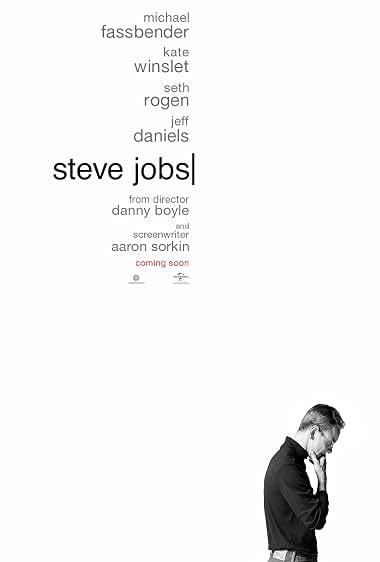
The 2015 film “Steve Jobs,” directed by Danny Boyle and written by Aaron Sorkin, offers a compelling glimpse into the life of one of the most influential figures in the technology industry. While avoiding traditional biopic storytelling, the film takes a unique approach by focusing on three pivotal product launches, offering a look behind the scenes at Steve Jobs’ professional life and the challenges he faced.
Exceptional Performances and Direction
Michael Fassbender delivers a powerful performance as Steve Jobs, capturing both his brilliance and the complexities of his personality. Fassbender’s portrayal is both unyielding and sympathetic, making it easy for the audience to become engrossed in his character. Kate Winslet, as Joanna Hoffman, provides a strong supporting performance, shining in her role as the trusted confidante and colleague.
Danny Boyle’s direction masterfully brings Aaron Sorkin’s screenplay to life, utilizing a unique structure that feels almost theatrical. The film is divided into three acts, each set before the launch of a key Apple product. This structure allows the narrative to focus intensely on Jobs’ interactions with key figures in his life, providing a deep dive into his personal and professional struggles.
Aaron Sorkin’s Brilliant Screenplay
Aaron Sorkin’s screenplay is a standout element of the film, driven by rapid dialogue and intense character interactions. Known for his sharp writing style, Sorkin brings his signature flair to the story, infusing it with moments of tension, wit, and emotion. The dialogue-heavy script ensures that the film is fast-paced, keeping viewers engaged from start to finish.
Cinematic Style and Production
The film’s cinematography, by Alwin Küchler, complements the narrative style by using different filming techniques for each product launch segment. The evolution in visual style mirrors Jobs’ own evolution, both professionally and personally, over the years. This artistic choice enhances the storytelling and makes each segment feel distinct yet part of a cohesive tale.
Exploring the Human Element
“Steve Jobs” delves deeply into the complexities of its titular character, focusing not only on his achievements but also on his relationships with those around him. From his fraught relationship with his daughter, Lisa, to the clashes with his colleagues, the film paints a picture of a man as brilliant as he is flawed. This exploration adds depth to the character, portraying him as more than just a tech genius but as a complicated human being.
Conclusion
“Steve Jobs” is not just a film for tech enthusiasts or Apple fans. It is a gripping drama about leadership, innovation, and the pursuit of excellence, wrapped in a human story that explores ambition and personal sacrifice. With its stellar performances, sharp screenplay, and innovative structure, the film stands out as a fascinating look at a complex icon of our times.
Exploring the Audience Perspective
Audiences who appreciate films that delve into character studies and enjoy sharp, intelligent dialogue will find “Steve Jobs” to be an engrossing experience. While those expecting a conventional biography might find its structure surprising, the film’s in-depth look at character dynamics provides a rewarding viewing experience.