Introduction: A Cinematic Journey Through Time
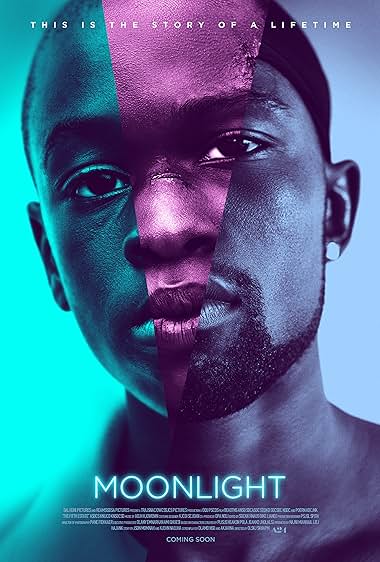
Barry Jenkins’ Moonlight is a poignant exploration of identity, race, and humanity. This film follows the life of a young African-American man, Chiron, as he navigates the tumultuous waters of childhood, adolescence, and adulthood. Structured in three distinct acts, each representing a crucial phase of Chiron’s life, Moonlight beautifully captures the struggles and triumphs of its central character’s search for self-acceptance.
Visual Poetry: The Cinematography and Direction
The cinematography in Moonlight is nothing short of breathtaking. James Laxton, the director of photography, uses vibrant colors and nuanced lighting to convey emotions and moods that words alone cannot express. The use of tight close-ups throughout the film creates an intimate connection between the viewer and Chiron, allowing audiences to feel the weight of his experiences. Barry Jenkins’ direction is thoughtful and deliberate, showcasing a deep respect for the story and its characters. Every frame of the film serves a purpose, contributing to a cohesive narrative that is both compelling and visually stunning.
The Power of Silence: A Performance-Driven Narrative
The performances in Moonlight are outstanding, with each actor bringing an authentic and nuanced portrayal of their character. Alex R. Hibbert, Ashton Sanders, and Trevante Rhodes each play Chiron at different stages of his life, and their performances are seamlessly interconnected, creating a singular, cohesive character. Mahershala Ali and Naomie Harris deliver equally impressive performances, adding depth and complexity to the characters who influence Chiron’s journey. The film utilizes silence as a powerful narrative tool, allowing the actors’ expressions and body language to tell stories that surpass dialogue.
Exploring Themes of Identity and Self-Discovery
Moonlight delves deeply into themes of identity, self-discovery, and acceptance. Chiron’s story is universal in its exploration of the internal and external pressures that shape one’s sense of self. The film adeptly addresses issues of race, sexuality, and masculinity, offering an authentic depiction of the struggles faced by many individuals in their quest for identity. The narrative is both personal and universal, resonating with audiences from diverse backgrounds.
Emotional Impact and Legacy
The emotional impact of Moonlight is profound. It’s a film that lingers in the mind long after the credits roll, challenging viewers to reflect on their own experiences and perspectives. The film’s raw and honest portrayal of human emotion is a testament to its brilliance and universal appeal. Since its release, Moonlight has received critical acclaim, earning numerous awards, including the Academy Award for Best Picture. Its legacy lives on as a groundbreaking work of art that continues to inspire and provoke thought.
Audience Perspective: A Universal Appeal
The impact of Moonlight on its audience is undeniable. For many, the film offers a much-needed representation of voices often underrepresented in cinema. Others find its exploration of universal themes deeply relatable, transcending cultural and geographic boundaries. The film’s ability to evoke empathy and understanding among diverse audiences speaks to its success as a masterful work of storytelling. Moonlight achieves what few films do: it tells a story that is as specific as it is universal, touching hearts and minds across the globe.