Compelling Storytelling and Historical Context
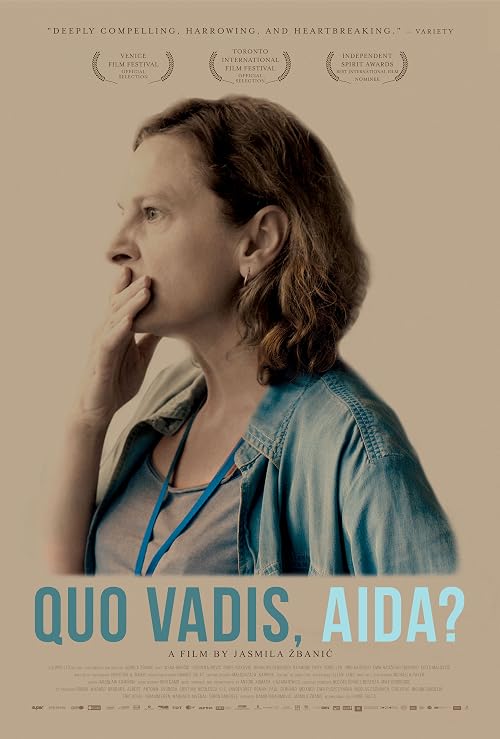
Quo Vadis, Aida? is a gripping historical drama that plunges viewers into the harrowing events of the 1995 Srebrenica massacre. Directed by Jasmila Žbanić, this film offers a deeply personal perspective on one of the most tragic chapters in modern European history. The story follows Aida, a UN translator, as she navigates the chaos and uncertainty of a rapidly escalating crisis. The film’s realistic portrayal of events is both a tribute and a sobering reminder of the atrocities of war.
Remarkable Performances and Human Emotion
Jasna Đuričić delivers a poignant and powerful performance as Aida. Her portrayal of a mother and professional caught in an impossible situation is heart-wrenching and authentic. The film captures the fear, desperation, and courage that define human resilience in the face of overwhelming odds. Supporting performances are equally strong, contributing to an emotionally intense narrative that is both exhausting and enlightening.
Authenticity and Cinematography
The director’s attention to detail adds authenticity to the film, from the military setups to the emotional turmoil experienced in the enclave of Srebrenica. The cinematography by Christine A. Maier is both stark and evocative, highlighting the tension and urgency of the storyline. The film employs a minimalist score, which appropriately emphasizes the dramatic weight of each scene without overwhelming the visual storytelling.
Thematic Depth and Impact
While Quo Vadis, Aida? focuses on a singular perspective during a defining moment in history, it also raises broader questions about responsibility, justice, and the human cost of political failures. The narrative is tightly woven, ensuring viewers remain engaged and reflective long after the credits roll. It’s a film that not only aims to inform but also to evoke critical thought about the essence of humanity under duress.
Audience Reflection and Reception
Audiences are likely to find Quo Vadis, Aida? both enlightening and emotionally demanding. It caters to viewers interested in historical events, particularly those studying the Balkan region or the impact of the UN’s involvement in conflict zones. Critically, the film has been praised for its thoughtful storytelling and dedication to narrative accuracy. It has sparked discussions on international intervention and the remembrance of historical events, resonating with a wide demographic intent on understanding past missteps to shape a more just future.