
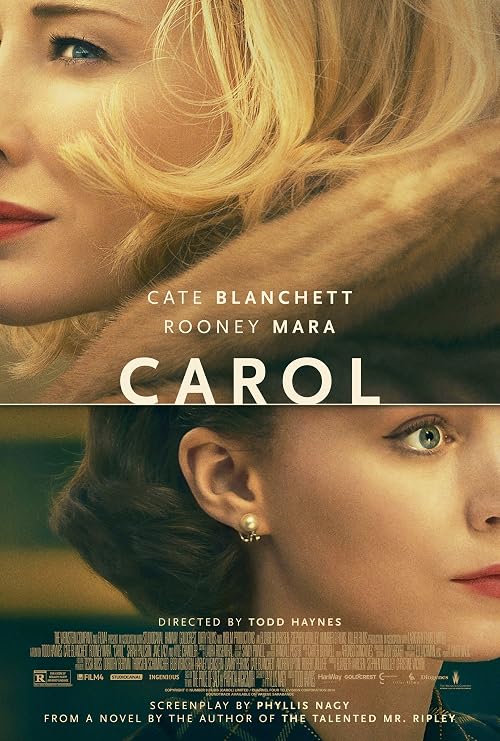
Overview of Carol (2015)
“Carol,” directed by Todd Haynes, is a captivating film based on Patricia Highsmith’s novel The Price of Salt. The movie transports viewers to the early 1950s, capturing the nuances of a forbidden romance set against the backdrop of societal expectations and personal turmoil.
Stellar Performances and Direction
The film stars Cate Blanchett as Carol Aird, a sophisticated and alluring woman trapped in an unhappy marriage, and Rooney Mara as Therese Belivet, a young aspiring photographer. Both actors deliver extraordinary performances that anchor the film. Blanchett encapsulates Carol’s poised exterior while subtly conveying her emotional depths. Mara provides a nuanced portrayal of Therese, whose transformation throughout the film is both compelling and believable.
Todd Haynes’ direction is meticulous and thoughtful, with an emphasis on visual storytelling. The cinematography by Edward Lachman stands out, as every frame is composed with the elegance of a photograph from the era. Haynes masterfully combines these visuals with an atmospheric score by Carter Burwell, enhancing the emotional resonance of the film.
Artful Cinematography and Production Design
The cinematography in “Carol” is stunning, characterized by its soft palette and rich detail, drawing the audience into its mid-century world. The production design brilliantly recreates the period, from the costumes to the interior settings, immersing viewers in the authenticity of the 1950s.
This meticulous attention to visual detail, combined with the film’s subtle use of color, highlights the thematic undertones and deepens the connection between its characters. The contrast between urban life and intimate personal moments adds depth to the narrative, reflecting the characters’ internal struggles and desires.
A Thought-Provoking Narrative
The screenplay, written by Phyllis Nagy, remains faithful to its source material while injecting a fresh perspective. It explores themes of love, identity, and societal constraints, inviting viewers to reflect on the nature of personal freedom. The gradual development of Carol and Therese’s relationship is portrayed with sensitivity, allowing the audience to become invested in their journey.
The pacing of “Carol” is deliberate, mirroring the slow burn of its romance. The film provides space for characters to reveal themselves, often through glances or fleeting gestures. This subtlety is one of the film’s strengths, offering a rich exploration of human emotions without relying on overt dramatics.
Exploring Audience Reactions
Audiences have praised “Carol” for its artful storytelling and the powerful performances of its lead actors. This film has been particularly acclaimed by viewers who appreciate nuanced character studies and visually stunning filmmaking. Some audiences have noted its slow pace, which might not cater to those expecting conventional romantic dramas, but those who are patient will find “Carol” rewarding and profoundly moving.
The film’s portrayal of LGBTQ+ relationships, set within a time of significant societal restrictions, resonates deeply with many viewers, bringing an emotional poignancy to its love story. As a result, “Carol” has found a special place in the hearts of audiences who value authenticity and depth in storytelling.