
Introduction
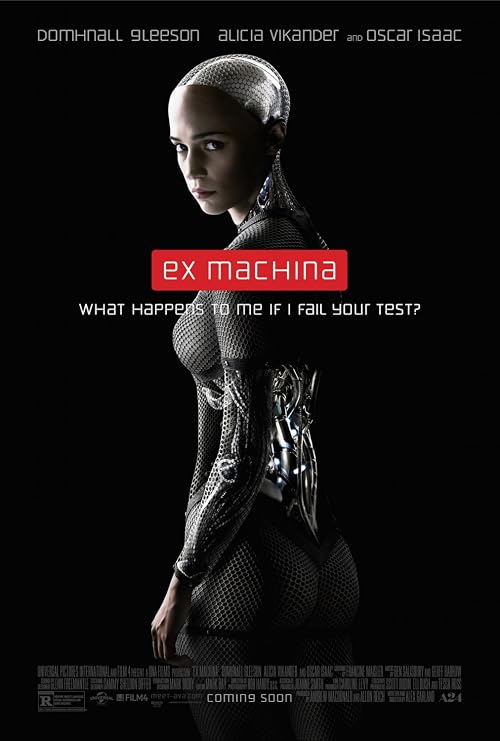
Alex Garland’s 2015 directorial debut, Ex Machina, is a thought-provoking sci-fi thriller that delves deep into the implications of artificial intelligence and human interaction. Set against a minimalist yet captivating backdrop, this film skillfully combines philosophical inquiry with cinematic flair.
A Cinematic Experience
The film’s outstanding cinematography is one of its key strengths. The secluded, high-tech research facility, designed as a mansion in the middle of nowhere, perfectly symbolizes isolation and control—themes that are crucial to the film’s narrative. Each room, corridor, and angle in the movie seems crafted to reflect the tension and intrigue that Garland wanted to evoke.
Brilliant Performances
The performances in Ex Machina are truly commendable. Domhnall Gleeson plays Caleb, a young programmer invited to participate in a groundbreaking AI experiment. His portrayal of curiosity mixed with vulnerability captivates the audience. Oscar Isaac is formidable as Nathan, the enigmatic tech mogul with a domineering presence. However, it is Alicia Vikander’s performance as Ava, the AI, that leaves a lasting impression. Her portrayal skillfully oscillates between being captivating and unsettling, making the audience question the nature of her consciousness.
Intriguing Themes
Ex Machina excels in exploring themes of consciousness, free will, and the boundaries of creator and creation. The film engages with the ethical implications of AI technology and raises profound questions about what it means to be human. As the story unfolds, the viewer is led to reflect on the complex nature of intellect and emotion both in humans and machines.
A Thought-Provoking Narrative
The script, also by Garland, is sharp and precise, cleverly unveiling layers of mystery with each act. The conversations between Caleb, Nathan, and Ava are not only intellectually stimulating but also crucial in building suspense. The narrative beautifully intertwines philosophical musings with thrilling twists that keep the audience mesmerized until the final scene.
Visual and Auditory Marvel
Beyond its narrative, Ex Machina boasts an impressive visual and auditory experience. The futuristic design of the AI and the seamless visual effects contribute significantly to the believability of the story. The minimalistic yet haunting score composed by Ben Salisbury and Geoff Barrow complements the atmosphere perfectly, accentuating the film’s mysterious and eerie tone.
A Unique Contribution to Sci-Fi
Ex Machina stands out in the sci-fi genre with its intellectual depth and minimalist production design. It avoids grandiose action sequences, focusing instead on the cerebral and psychological aspects of AI. This approach makes it a unique and refreshing contribution to the genre, appealing to audiences seeking more than just spectacle.
Conclusion
In conclusion, Ex Machina is a masterfully crafted film that challenges its viewers to ponder the ramifications of artificial intelligence while providing a gripping narrative journey. It’s a film that’s likely to stay with you long after the credits roll.
Exploring Audience Reactions
The audience’s response to Ex Machina has been overwhelmingly positive, with many appreciating its philosophical depth and the unsettling questions it raises. Viewers who enjoy introspective, thought-provoking films will find it particularly rewarding. Those seeking a deeper understanding of AI’s potential and its ethical implications will likely revisit this film multiple times to unpack its layers.