
Introduction
Alexander Payne’s *Nebraska* (2013) is a quietly powerful American drama that blends heartfelt emotion with subtle humor. Filmed in striking black and white, the movie captures the essence of small‑town America while exploring the complexities of family, aging, and unfulfilled dreams. This spoiler‑free review offers an SEO‑optimized look at why the film continues to resonate with audiences seeking a thoughtful and character‑driven story.
Story and Tone
The film follows a simple yet deeply human narrative centered around a father and son road trip. What begins as a seemingly straightforward journey gradually reveals layers of emotional depth, showcasing themes of connection, generational differences, and the search for meaning later in life. The tone is a balanced mix of humor and melancholy, allowing viewers to feel both the weight and the warmth embedded in the characters’ interactions. Payne’s signature storytelling style keeps the pace steady and engaging without relying on dramatic twists or sensational moments.
Performances
One of the strongest aspects of *Nebraska* is its remarkable acting. The performances feel authentic, grounded, and sincere. Each character contributes to the film’s emotional core, and the chemistry between the leads adds richness to the narrative. The actors embody their roles with quiet strength, making their struggles and triumphs feel relatable. Even the supporting cast shines, helping to build a world that feels lived‑in and genuine.
Cinematography and Visual Style
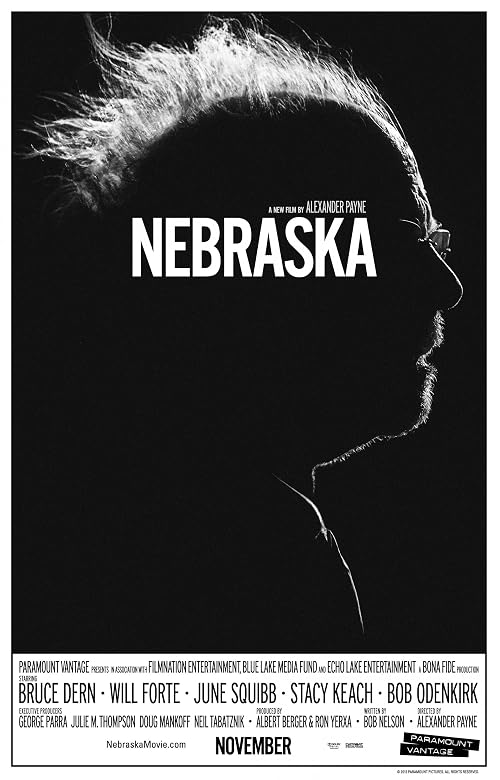
The choice to shoot the film in black and white is more than just a stylistic decision; it enhances the themes and atmosphere. The stark visuals emphasize the rugged landscapes and small‑town settings, adding a layer of realism and nostalgia. The cinematography captures both the beauty and the bleakness of the environment, reflecting the characters’ internal journeys. Each frame is thoughtfully composed, giving the film a timeless quality that sets it apart from contemporary dramas.
Why It Stands Out
What makes *Nebraska* truly memorable is its ability to convey emotional depth through simplicity. The film does not rely on elaborate plot developments or heavy-handed messaging. Instead, it focuses on genuine human experiences—moments of connection, regret, humor, and hope. This grounded approach makes the story universally relatable. Viewers who appreciate subtle storytelling and character-focused narratives will find much to admire here.
Exploring Audience
*Nebraska* appeals to audiences who enjoy introspective dramas, heartfelt family stories, and films with a slower, thoughtful pace. It resonates particularly well with viewers interested in character development, emotional authenticity, and visually distinctive filmmaking. Those who appreciate stories about aging, relationships, and the quiet complexities of everyday life will find the movie especially meaningful.